






Why Your Heating System Needs Attention Even When It Works Properly
A heating system can appear to be working perfectly while developing problems that are not immediately noticeable. Warm rooms and a responsive thermostat may suggest everything is in order, but dust build-up, worn components, restricted airflow or loose connections can gradually affect performance. Without regular checks, these issues may remain hidden until the system becomes less reliable or stops working when heating is needed most.
For homeowners arranging heating maintenance in Pittsburgh, PA, routine inspections are useful even when the equipment seems to be operating normally. Cold winters place considerable demands on home heating systems, making preparation and preventive care particularly important. Regular maintenance helps identify developing faults, supports safe operation and gives homeowners a clearer understanding of their system’s condition.
Small Problems Can Develop Without Obvious Warning Signs
Not every heating fault produces an immediate change in room temperature. A component may begin to wear, an electrical connection may loosen or a filter may gradually become blocked while the system continues to produce heat. These changes can affect how the equipment operates, even if the difference is not obvious during everyday use.
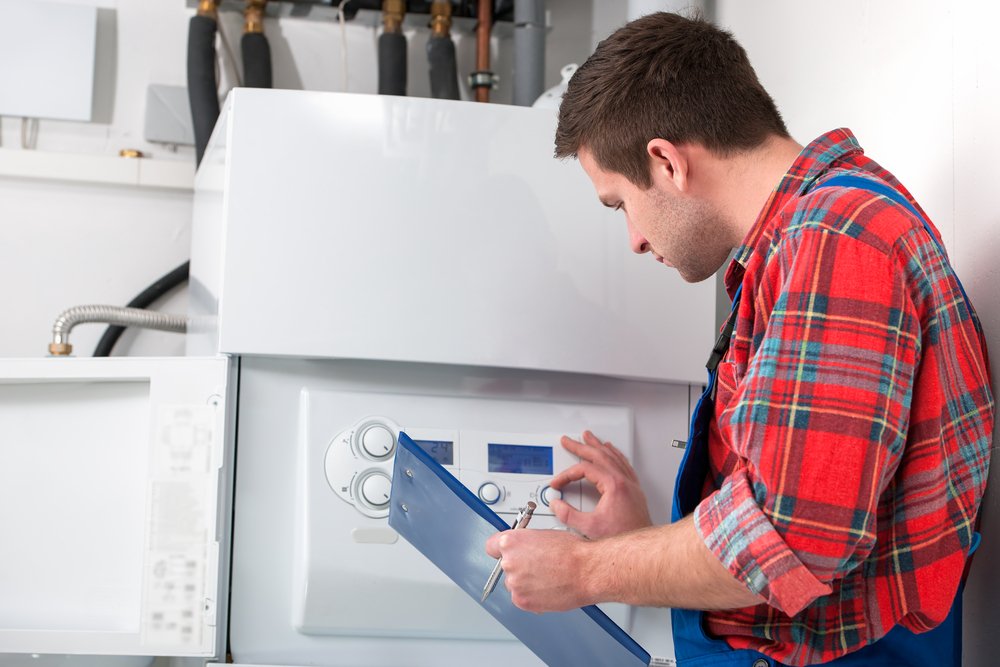
A professional inspection can help identify problems before they cause a breakdown. The technician can examine relevant components, check the system’s controls and look for signs of wear or restricted airflow. Addressing an issue early may also prevent additional strain on connected parts, although the appropriate repair depends on the fault and the condition of the equipment.
Regular Maintenance Helps Support Efficiency
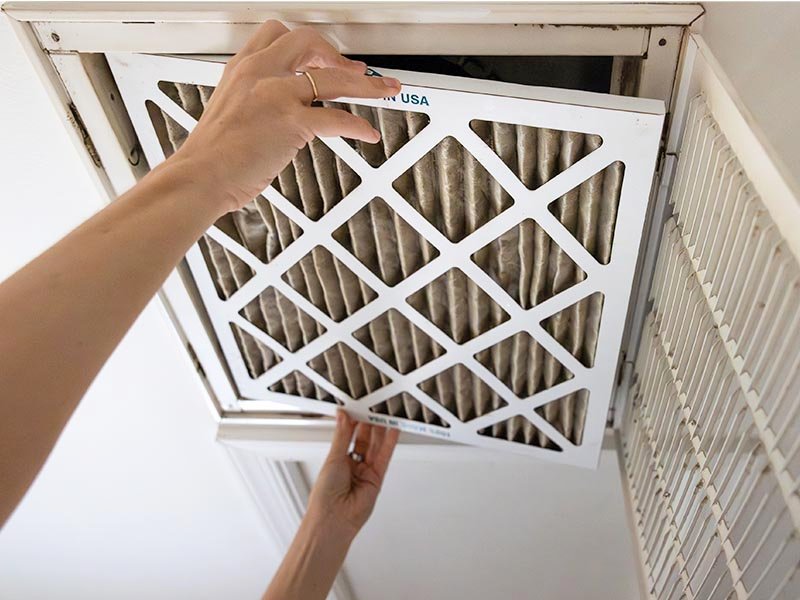
Heating equipment needs suitable airflow and correctly functioning controls to operate as intended. Dirty filters, obstructed vents and neglected components can interfere with performance. In forced-air systems, restricted airflow may make it harder for heated air to circulate effectively. Boiler-based systems have different maintenance needs, so the correct checks depend on the equipment installed in the property.
During heating maintenance in Pittsburgh, PA, a qualified professional can assess whether the system is operating according to the manufacturer’s recommendations. Homeowners can also contribute by replacing or cleaning filters as instructed, keeping vents unobstructed and using suitable thermostat settings. These straightforward habits support routine care, but they do not replace inspections of internal components that require specialist knowledge.
Safety Checks Should Never Be Overlooked
A heating system may continue to run despite a safety-related problem, which is one reason routine inspections matter. Fuel-burning equipment requires particular attention to combustion, ventilation and exhaust arrangements. Depending on the system, a technician may inspect relevant connections, safety controls and flue components to check for signs of damage or improper operation.
Homeowners should never ignore a carbon monoxide alarm or a suspected fuel leak. If a carbon monoxide alarm sounds, leave the property and contact emergency services from a safe location. If you smell gas, avoid operating electrical switches or creating flames, leave the area and contact the appropriate emergency service or gas provider. Routine maintenance reduces the chance of overlooked faults but cannot guarantee that every problem will be prevented.
Maintenance Can Extend Equipment Life
Heating systems contain components that experience wear through regular operation. Depending on the equipment, these may include motors, pumps, fans, ignition components, valves and controls. Dirt, poor airflow or unresolved faults can contribute to operating problems, while a lack of maintenance may allow minor issues to worsen before they are detected.
Servicing gives a technician an opportunity to assess the condition of accessible components and recommend repairs where necessary. Keep records of inspections, repairs and replacement parts so recurring issues are easier to identify. Maintenance cannot prevent every failure or guarantee a particular lifespan, but following the manufacturer’s guidance can help homeowners care for the equipment and make more informed decisions about repairs or replacement.
Recognising When Professional Attention Is Needed
Some warning signs appear gradually rather than through a complete loss of heating. Uneven temperatures, unusual noises, repeated cycling, unfamiliar smells or a noticeable change in energy use may indicate that something needs checking. These symptoms can have several causes, so it is better to investigate them than to assume that the heating system simply needs to work harder.
Arrange professional attention if a problem persists, particularly if the system repeatedly shuts down or cannot maintain the requested temperature. Before an appointment, note when the issue began and whether it occurs during particular operating conditions. This information can help the technician narrow down possible causes. Do not attempt repairs involving gas connections, electrical components or internal mechanisms unless you have the appropriate qualifications.
A Final Word
A heating system does not need to show obvious signs of failure to benefit from regular attention. Routine inspections, suitable filter care, clear airflow and prompt investigation of unusual behaviour can help identify developing problems and support dependable operation. Safety checks are equally important, especially for equipment that burns fuel.
Arrange maintenance in line with the manufacturer’s recommendations and consider scheduling an inspection before the heating season becomes demanding. By looking after the system while it is still working properly, homeowners can make informed decisions, address faults sooner and improve the chances of reliable heating when colder weather arrives.