







What Makes Specialized Precision Millwright and Machinery Moving Services Important
Moving heavy industrial machinery is a highly specialized task that involves more than transporting equipment from one facility to another. Large machines are often complex systems made up of mechanical, electrical, hydraulic, pneumatic, and electronic components that must work together with exceptional accuracy. Because of this, successful equipment relocation requires detailed planning, skilled technicians, specialized tools, and a strong understanding of machinery installation and alignment. This is where precision millwright and machinery moving services become essential for industrial facilities seeking to relocate equipment safely while minimizing downtime.
Precision millwright and machinery moving: Ensuring safe and accurate industrial equipment relocation
Precision millwright and machinery moving services in industrial settings, where machines can weigh several tons and may have extremely tight installation tolerances. Moving such equipment requires careful consideration of its dimensions, center of gravity, structural design, access points, and surrounding environment. A machine may also contain components that are sensitive to vibration, impact, moisture, or improper handling.
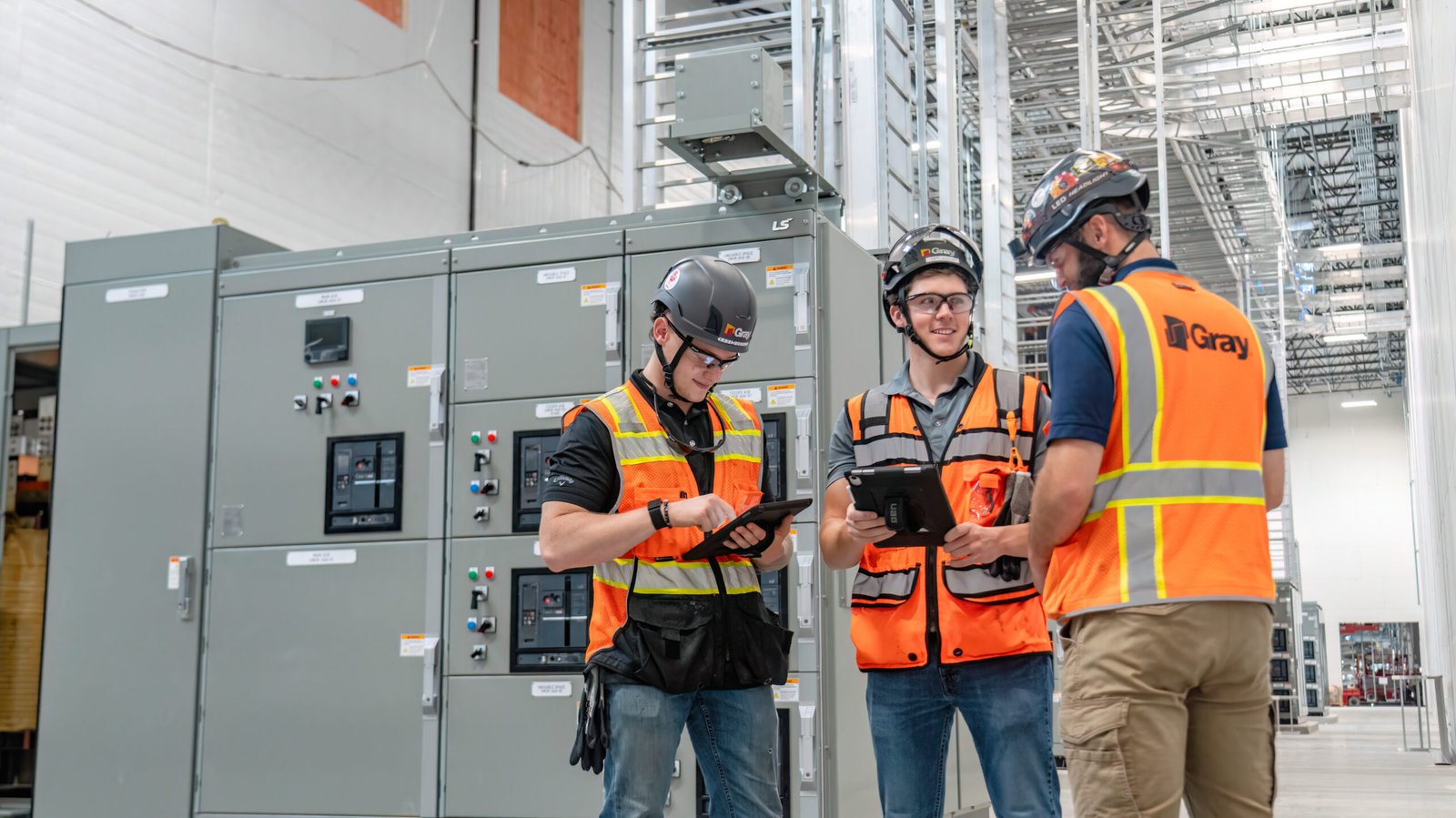
Before any machinery is moved, experienced millwrights evaluate the equipment and the relocation site. They may review machine drawings, installation specifications, foundation requirements, electrical connections, utility lines, and available access routes. Doorways, ceilings, floors, loading docks, elevators, and other structural limitations must all be considered when developing a moving strategy. This preparation is particularly important when machinery needs to pass through confined areas. Heavy equipment may require specialized rigging, cranes, forklifts, hydraulic skidding systems, rollers, jacking equipment, or other machinery-moving solutions. Choosing the appropriate equipment helps reduce risks while allowing technicians to control the movement of heavy loads with greater precision.
A precision millwright plays an important role throughout the entire machinery moving process. From the initial inspection and dismantling of equipment to transportation, positioning, reassembly, and final alignment, millwrights are responsible for ensuring that every stage is completed accurately. Their expertise helps prevent damage to valuable equipment and reduces the possibility of operational problems once the machinery is placed into its new location.
For industrial businesses, downtime can be extremely costly. Every hour that production equipment remains unavailable can affect output, schedules, customer commitments, and revenue. Consequently, machinery relocation needs to be carefully coordinated to minimize interruptions. Professional millwrights can help organizations develop a relocation strategy that accounts for dismantling, transportation, installation, alignment, testing, and commissioning. Completing these activities in the correct sequence helps prevent delays and allows production to resume as quickly as practical. Detailed planning also makes it easier to identify potential problems before they affect the schedule. If a machine requires a particular foundation, utility connection, lifting method, or alignment tolerance, those requirements can be addressed before relocation begins.
Industrial machinery is a major investment, so relocating it requires skilled professionals who understand the risks involved. Experienced millwrights bring together mechanical knowledge, accurate measurement techniques, rigging expertise, installation skills, and practical problem-solving abilities to handle complex equipment moves safely and efficiently. Their specialized approach helps protect valuable machinery during dismantling, transportation, positioning, and re-installation. By relying on trained professionals, businesses can reduce the chances of equipment damage, alignment problems, unexpected downtime, and costly operational disruptions throughout the relocation process.