







The Hidden Dangers of Poor Indoor Air Quality and How Professionals Fix Them
The air inside your home affects far more than comfort. It influences respiratory health, energy efficiency, sleep quality, and overall well-being every day. Many homeowners are unaware that indoor air can sometimes contain higher concentrations of pollutants than outdoor environments. Dust, mold spores, pet dander, volatile organic compounds, and poor ventilation often combine to create unhealthy living conditions that gradually affect both property and personal health.
Poor indoor air quality can contribute to allergies, headaches, respiratory irritation, fatigue, and worsening asthma symptoms. Homes with inadequate ventilation or neglected HVAC systems often trap airborne contaminants that circulate repeatedly through living spaces. Over time, these pollutants may reduce comfort while placing additional strain on heating and cooling equipment. Early detection and professional air quality improvements can create a healthier and more energy-efficient home environment.
Common Causes of Indoor Air Pollution
Indoor pollution sources can develop slowly and remain unnoticed for long periods. Many homes contain contaminants that continuously circulate through HVAC systems and ventilation pathways.
Everyday Sources of Air Contaminants
Dust buildup, dirty air filters, mold growth, cleaning chemicals, smoke particles, and excessive humidity are among the most common contributors to unhealthy indoor environments. Poor airflow can also trap airborne pollutants, allowing contaminants to accumulate inside sealed living spaces.
Homes with older HVAC systems or neglected ductwork may experience reduced filtration performance, worsening air circulation, and increasing airborne particle exposure over time.
Excess Humidity Creates Serious Health Risks
Moisture problems inside a home can quickly affect both air quality and structural conditions. High humidity levels often encourage mold growth and bacterial development.
Why Moisture Control Matters
Bathrooms, kitchens, basements, and poorly ventilated rooms frequently experience elevated humidity. Excess moisture can damage drywall, insulation, flooring, and furniture while contributing to musty odors and respiratory irritation.
Professional HVAC evaluations often identify hidden moisture problems that reduce indoor air quality and strain heating and cooling systems. Proper humidity control improves comfort while helping homeowners protect long-term property value and overall air cleanliness.
HVAC Systems Strongly Influence Air Quality
Heating and cooling systems play a major role in filtering and circulating air throughout a home. When HVAC components become dirty or damaged, air quality may decline significantly.
Dirty HVAC Components Spread Pollutants
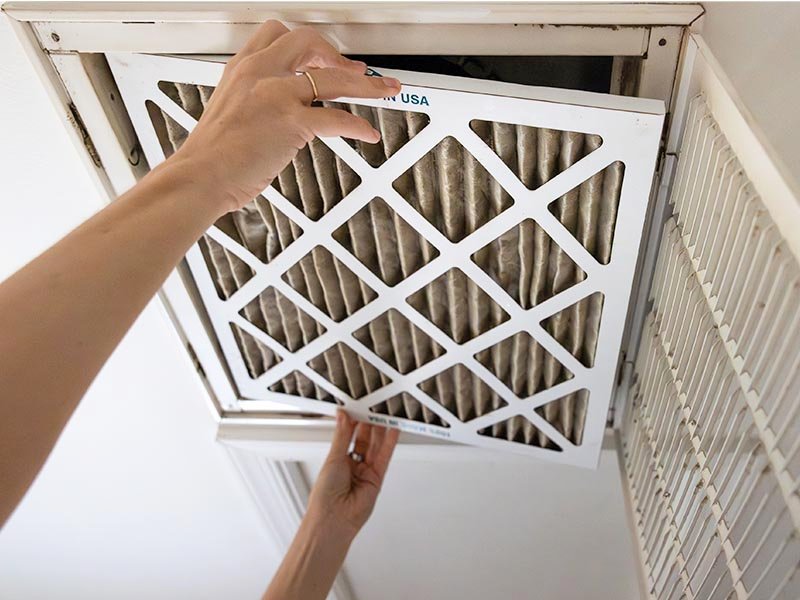
Clogged filters, contaminated ductwork, dirty evaporator coils, and blocked vents can circulate allergens and dust through living areas. Poor airflow also forces HVAC systems to work harder, reducing energy efficiency and increasing utility costs.
Warning Signs of Indoor Air Problems:
- Persistent dust buildup
- Musty or stale odors
- Increased allergy symptoms
- Uneven airflow between rooms
- High indoor humidity
- Frequent HVAC cycling
- Visible mold near vents
Recognizing these symptoms early can help homeowners avoid larger indoor environmental concerns.
Mold Growth Can Spread Quickly
Mold is one of the most serious indoor air quality threats because spores can spread rapidly through ventilation systems and damp surfaces.
Health Effects Associated With Mold Exposure
Mold exposure may trigger coughing, sneezing, eye irritation, sinus congestion, and worsening asthma symptoms. Individuals with respiratory conditions, allergies, or weakened immune systems may experience stronger reactions to airborne mold spores.
Professional remediation and moisture control are essential for stopping mold growth and restoring healthy indoor conditions.
Poor Ventilation Traps Harmful Pollutants
Modern homes are often built with tight insulation for energy efficiency, but reduced ventilation can trap contaminants indoors.
Why Air Circulation Is Important
Without proper airflow, pollutants from cooking, cleaning products, furniture materials, and combustion appliances may remain concentrated inside the home. Poor ventilation also increases humidity and allows stale air to linger for extended periods.
Improving ventilation helps remove airborne contaminants while supporting healthier indoor comfort and balanced humidity levels.
Helpful Ways to Improve Air Quality:
- Replace HVAC filters regularly
- Schedule duct cleaning when necessary
- Control indoor humidity levels
- Use exhaust fans in kitchens and bathrooms
- Keep vents unobstructed
- Schedule annual HVAC inspections
These preventative habits can support healthier airflow and improved system performance.
Professional Air Quality Services Provide Lasting Solutions
HVAC and indoor air specialists use advanced tools to evaluate airborne pollutants, airflow performance, and moisture conditions inside homes.
Common Professional Air Quality Solutions
Technicians may recommend high-efficiency filtration systems, UV air purifiers, dehumidifiers, duct sealing, ventilation improvements, or whole-home humidity control systems. These upgrades can reduce allergens while improving HVAC efficiency and overall comfort.
Professional testing helps homeowners identify hidden air quality concerns that may not be immediately visible.
Energy Efficiency and Air Quality Work Together
Indoor comfort and energy efficiency are closely connected. HVAC systems operating under poor airflow or heavy contamination often consume more energy.
How Clean Air Supports Efficiency
Proper filtration, balanced humidity, and unrestricted airflow help heating and cooling systems operate more efficiently. Cleaner systems experience less strain, lower repair risks, and improved temperature consistency throughout the home.
Improved air quality often contributes to lower utility bills and longer HVAC equipment lifespan.
Benefits of Professional Indoor Air Solutions:
- Better respiratory comfort
- Reduced allergens and dust
- Improved HVAC efficiency
- Lower humidity levels
- Cleaner indoor airflow
- More consistent temperatures
These improvements can create healthier and more comfortable living spaces year-round.
Indoor Air Quality Affects Sleep and Productivity
Poor air quality can also impact daily energy levels, concentration, and sleep quality. Stale air and airborne irritants may contribute to discomfort during both daytime and nighttime hours.
Why Clean Air Improves Daily Life
Balanced humidity and proper ventilation create more comfortable indoor conditions that support restful sleep and improved focus. Cleaner indoor environments also reduce odors and create a fresher overall atmosphere throughout the home.
End Note
Poor indoor air quality can quietly affect health, comfort, HVAC efficiency, and overall home conditions for years before homeowners recognize the problem. Dust, mold, humidity, poor ventilation, and dirty HVAC systems all contribute to unhealthy indoor environments that may worsen allergies and respiratory issues. Professional inspections, proper filtration, moisture control, and regular HVAC maintenance can dramatically improve air quality and energy performance. By addressing air quality concerns early, homeowners can create cleaner, healthier, and more comfortable living spaces while protecting their long-term property investment.